




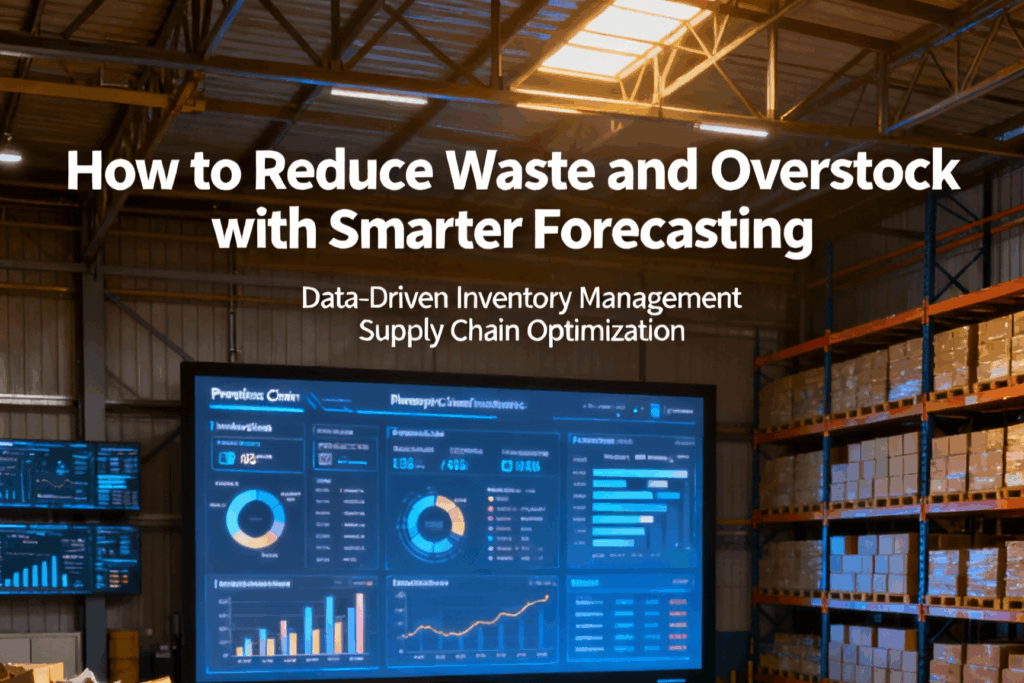
Waste and overstock are problems that affect nearly every business.
Whether you operate a hotel, café, shop, clinic, office, or warehouse, inaccurate purchasing can lead to spoiled goods, tied-up cash flow, and unnecessary operational costs.
At Buyamia, we’ve seen these challenges clearly.
Through thousands of RFQs and years of working closely with Indonesian suppliers and global buyers, we realized that most businesses weren’t struggling because of lack of products, but they were struggling because of lack of clarity.
That insight led to the creation of Buyamia.ai, our intelligent procurement engine designed to help businesses reduce waste, optimize inventory, and make smarter decisions through better forecasting.
A Message from Our Founder, Wayne Thompson:
“We built Buyamia to make procurement intelligent and transparent, helping businesses buy smarter, faster, and more efficiently.”
This simple belief is now at the core of everything we build.
Why Forecasting Matters
When a business doesn’t know exactly what it needs, two things happen:
- It orders too much, which leads to waste and overstock
- Or it orders too little, which leads to shortages and emergency purchases
Both outcomes create stress, financial loss, and operational inefficiency.
Smart forecasting solves these issues by predicting demand accurately and helping teams plan ahead, instead of reacting at the last minute.
How Buyamia.AI Reduces Waste and Overstock
Our forecasting engine uses data from consumption patterns, seasonality, occupancy, past purchases, supplier timelines, and real-time activity to create accurate recommendations.
Here’s how:
1. Accurate Demand Predictions
Buyamia.ai helps businesses understand what they will need before they need it.
It forecasts:
- Food and beverage usage
- OS&E consumption
- Raw materials
- Cleaning and maintenance supplies
- Seasonal fluctuations
This prevents unnecessary overordering and reduces spoilage.
2. Automated RFQs and Supplier Matching
The AI automatically:
- Creates RFQs
- Compares supplier prices
- Highlights overpriced items
- Recommends the best-value options
This makes procurement faster and more consistent and avoids extra purchases caused by guesswork.
3. Dynamic Reorder Points
When business activity drops, Buyamia.ai lowers recommended order quantities.
When activity increases, the system updates instantly.
This adaptive approach keeps inventory lean and balanced.
4. Full Visibility in One Dashboard
Teams can see:
- What’s in stock
- What’s running low
- What’s arriving
- What’s been consumed
Better visibility = fewer mistakes and less waste.
Case Scenario: A Bali Resort Reduces Waste by 28%
Client: A 120-room boutique resort in Canggu
Challenge:
They faced frequent F&B waste, inconsistent pricing from suppliers, and too much OS&E stock stored without use.
How Buyamia.ai helped:
- Installed AI forecasting for F&B and OS&E
- Automated weekly RFQs
- Matched suppliers instantly
- Introduced occupancy-based reorder points
- Centralized all purchasing into one dashboard
Results after 90 days:
- 28% reduction in F&B waste
- 18% lower overall inventory costs
- Zero emergency orders during peak months
- IDR 140 million saved in one quarter
This is the power of smarter forecasting in real business conditions.
Useful Beyond Hospitality
Although Buyamia began by serving hospitality clients, our forecasting technology is now used across many sectors:
- Retail stores
- Restaurants & cafés
- Construction & property developments
- Clinics & hospitals
- Schools & universities
- Corporate offices
- F&B distributors
- Manufacturing & production
Anywhere inventory exists, smarter forecasting makes a difference.
The Future of Procurement Starts with Prediction
Buyamia.ai transforms procurement from a reactive process into a strategic, data-driven system.
Businesses that forecast smarter benefit from:
- Lower waste
- Reduced overstock
- Better budget control
- More sustainable operations
- Stronger supplier relationships
- Faster, clearer decisions
At Buyamia, our mission is to bring intelligence, transparency, and fairness to procurement across Southeast Asia and smarter forecasting is one of the most important steps toward that future.